A clear forecast does not tell you what the trail will feel like. The access road may be saturated, a creek may be higher than expected, or a shift in the wind may ruin an otherwise sensible position before midday. General forecasts describe broad conditions; they do not account for every muddy slope, flooded crossing, shaded patch of ice or newly closed road.
Good preparation is therefore less about packing everything that might be useful and more about matching the route, hunting method and equipment to conditions you have checked for yourself. That approach usually means a quieter entry, better decisions and less avoidable disturbance to wildlife and habitat.
Plan the ground before packing the gear
Begin with the trip from the parking area to the intended stand, glassing point or still-hunting area. Study the entire route, including the parts that look easy on a map. Note steep climbs, loose rock, dense vegetation, wet crossings and locations where turning around would be difficult. A setup that is comfortable on firm, open ground can become cumbersome or unsafe on a slick slope or in thick cover.
Use current maps, but do not treat them as a complete account of present conditions. Check recent information from land managers or other reliable local sources. Roads may have washed out, seasonal closures may be active, timber work may have changed access, and prescribed burns may have altered the terrain. Permissions and property boundaries can change too. If you cannot verify a road, crossing or access point, label it uncertain and build a plan that does not depend on it.
Terrain review must include shot safety. Look beyond likely shooting lanes for roads, trails, homes, neighboring property and places where people or domestic animals could appear. A position can offer excellent visibility and still be unsuitable if there is no dependable backstop. In that case, relocate or pass on the opportunity.
Let the weather narrow the plan
Weather should determine more than your choice of jacket. Wind changes scent movement, creates noise and can make a lightweight shelter unstable. Rain can fog optics, soak insulation and turn a routine walk into a cold-exposure problem. Frost, wet leaves and mud affect footing as well as the sound of each step. Temperature and changing light also influence animal movement, equipment performance and the time needed for the return journey.
Read the forecast as a likely range, not a promise. Before leaving, decide which developments would shorten the outing and which would cancel it. Deteriorating visibility, unsafe water, severe wind or a route that becomes too slick to travel confidently should all count as legitimate reasons to turn back. Make that decision while you still have energy and daylight, rather than waiting until fatigue removes your margin for error.
Adjustable layers help prevent an overheated, damp approach. Keep fire-starting materials, navigation tools and communication devices protected from moisture. If lightning appears, visibility collapses or the route becomes unsafe, stop hunting and leave deliberately.
Select gear for the actual job
Ask what each piece of equipment needs to accomplish that day. A short walk to a fixed position is not the same assignment as a long glassing route, a pack-in camp or movement through wet country. Decide on the job first; then choose the equipment that supports it.
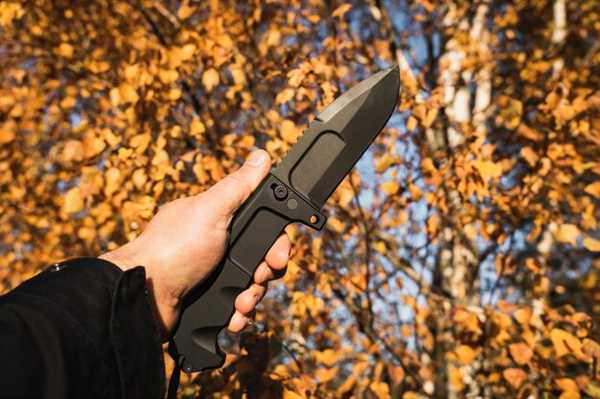
Weight matters on steep or difficult ground, but lighter is not automatically safer. Removing excess load may make travel easier, while leaving behind adequate insulation, water or reliable navigation equipment can create a more serious problem later. Match footwear to the surface, optics to the expected light and weather, and any shelter or blind to the conditions and duration it is meant to handle.
Inspect the small components before departure. Test straps, closures, batteries and navigation devices, particularly when gear has been stored since the previous season. A once-reliable device may now have a drained battery, damaged seal or outdated information.
Do not let a new accessory dictate the outing. If a blind or stand would require excessive disturbance, restrict a safe exit or depend on permission that has not been confirmed, leave it at home. Equipment is valuable when it improves judgment or reduces risk; extra complexity is not automatically an advantage.
Build safety into the route
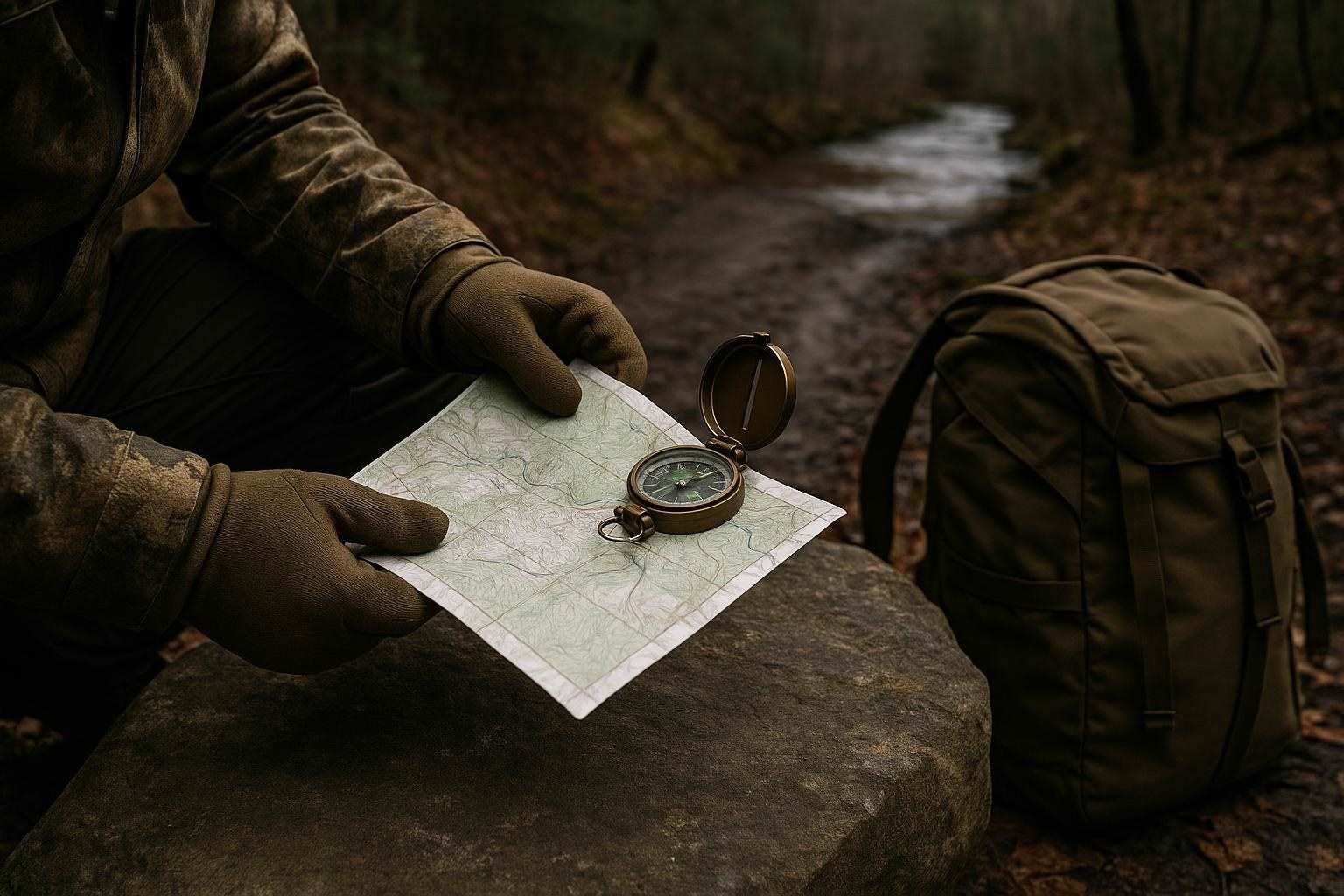
Give a dependable person your destination, expected return time and instructions for a missed check-in. Carry a charged phone or another lawful communication device, but assume service may disappear. A paper map, compass and basic first-aid supplies remain useful when electronics fail or weather changes quickly.
Follow local requirements for visible identification, and keep equipment controlled during travel. Transport and active hunting must comply with the applicable rules. Treat every firearm as loaded, keep the muzzle pointed safely, and identify the target and the area beyond it before considering a shot. If a person, domestic animal or uncertain movement enters the scene, wait. No opportunity justifies guessing.
Fatigue deserves the same attention as sudden weather. A long approach, poor sleep or dehydration can narrow attention and weaken judgment. Set a turnaround time before starting, then move it earlier if the terrain proves more demanding than expected. Returning without an animal is disappointing; a preventable injury can burden the hunter, family and rescue workers for much longer.
Verify permission and current regulations
Regulations belong in the first planning session, not at the last minute. Confirm the current season, permitted species and area-specific rules, as well as licenses, legal methods, shooting hours, tagging and reporting duties. Check equipment restrictions and access conditions for the exact place you intend to hunt.
Rules may change because of wildlife conditions, public safety concerns, land-management decisions or emergency orders. Use current information from the relevant wildlife agency and land manager. Recheck requirements whenever your route crosses a boundary. A rule applying in one unit, property or season may not apply on the other side.
Treat permission with equal care. Mark property lines on the map, carry evidence of authorization when appropriate and never assume a familiar route is still open. If a boundary or rule is unclear, pause and obtain clarification before going afield. When uncertainty remains, the conservative choice is the responsible one.
Leave the place worth returning to
Stewardship is often determined by ordinary choices. Use established access where possible, avoid trampling sensitive vegetation and pack out food scraps, packaging and damaged gear. Clean boots, vehicles and equipment as needed to limit the spread of invasive seeds or pathogens. Follow local restrictions on fires, bait, attractants and waste disposal.
The condition of the animals and habitat should influence whether you continue. Repeatedly pushing wildlife through a vulnerable area, crowding another hunter or disturbing nesting, denning or wintering habitat may be legal in some situations but remains poor practice. If conditions make a clean, respectful opportunity unlikely, leave instead of forcing it.
Before departure, review the route, forecast, water, clothing, communication, equipment, permission, regulations and turnaround time. That final pause connects safety, legality and ethics, while leaving enough flexibility to respond when the ground, weather or wildlife does not follow the original plan.